Monel Alloys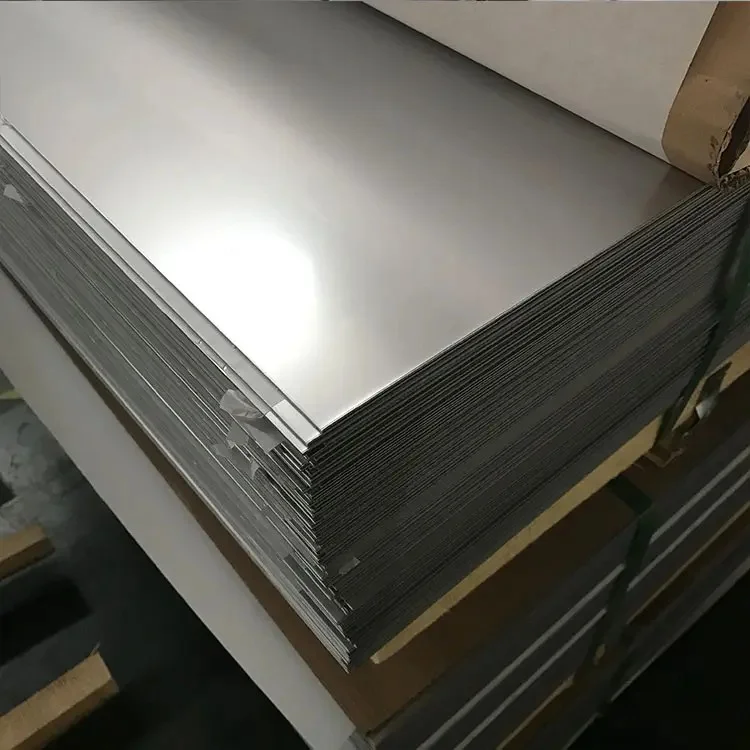
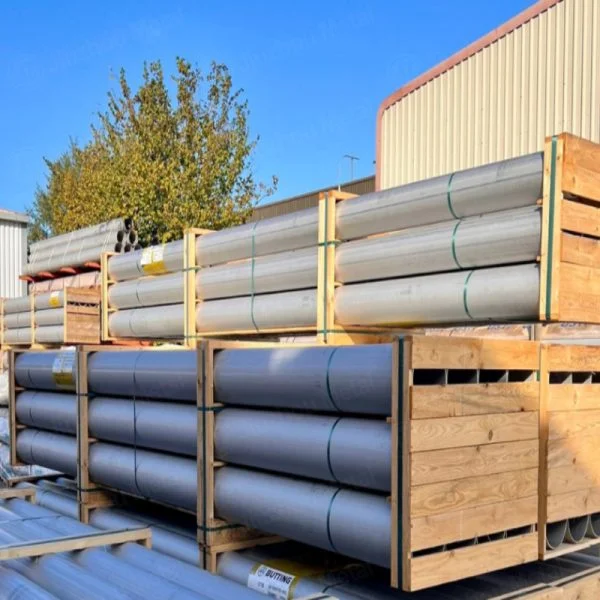
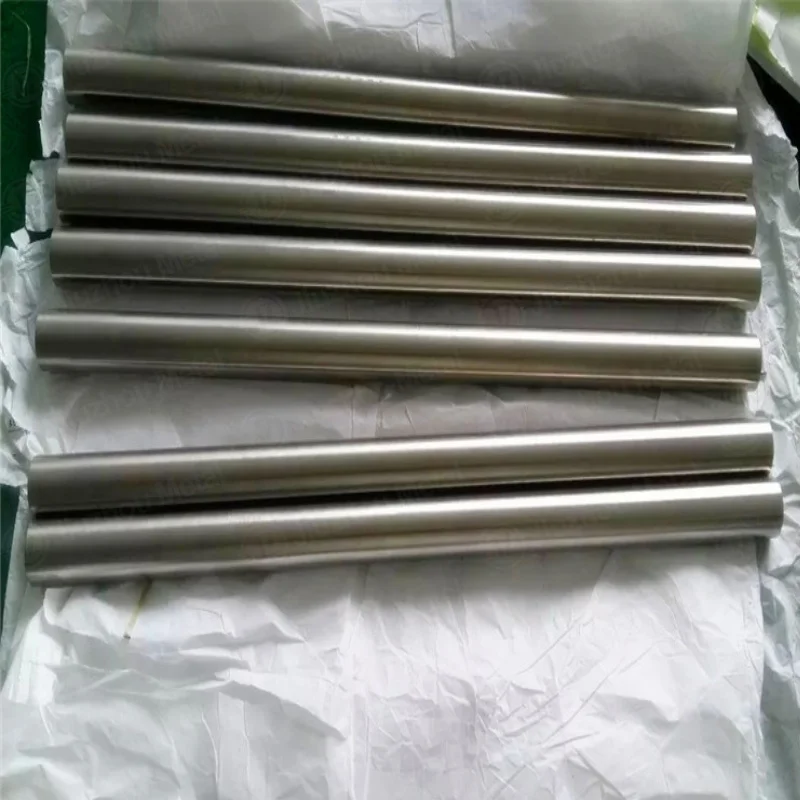
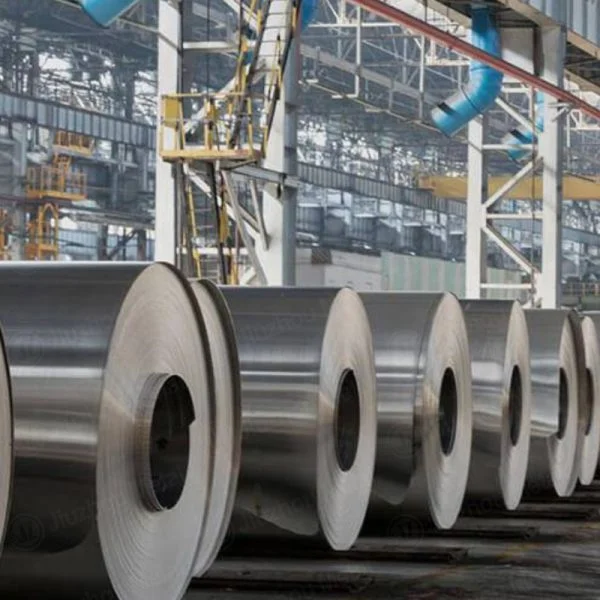
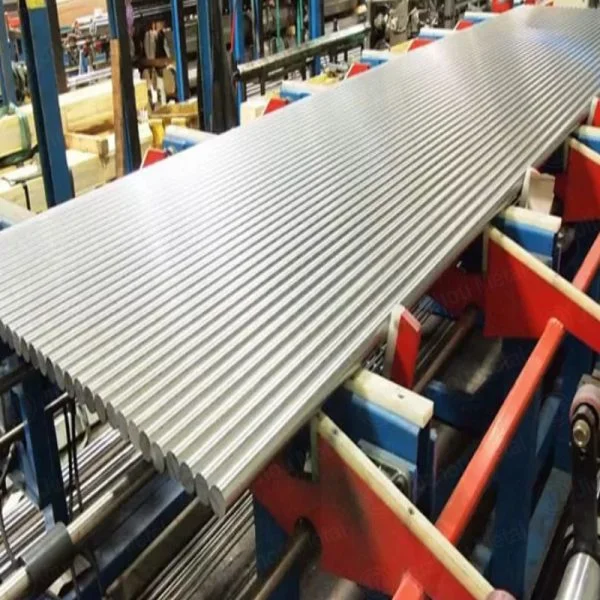
| Grades | Plates/Strips (ASTM/AMS) | Seamless Pipe (ASTM/AMS) | Bars/Wires/Round Billets (ASTM/AMS) | Forgings/Flanges/Valves (ASTM/AMS) |
|---|---|---|---|---|
| Monel 400 | ASTM B127 | ASTM B165 | ASTM B164 | ASTM B564 |
| Monel K-500 | ASTM B865, AMS 4676 | ASTM B127 | ASTM B865 | ASTM B564 |
Monel alloys have several significant differences compared to other specialty alloys:
The corrosion resistance of Monel alloys is not only derived from their composition, but also from their microstructure. Trace elements in the alloy form a protective oxide film that further enhances its corrosion resistance.
Due to its special composition and microstructure, monel alloy has excellent welding performance. This enables efficient and reliable connections during fabrication.
Compared with other alloys, Monel alloys maintain excellent mechanical properties and corrosion resistance in high temperature environments. This gives them a unique advantage in high-temperature applications.
Monel alloys have good biocompatibility, making them widely used in medical devices and implants.
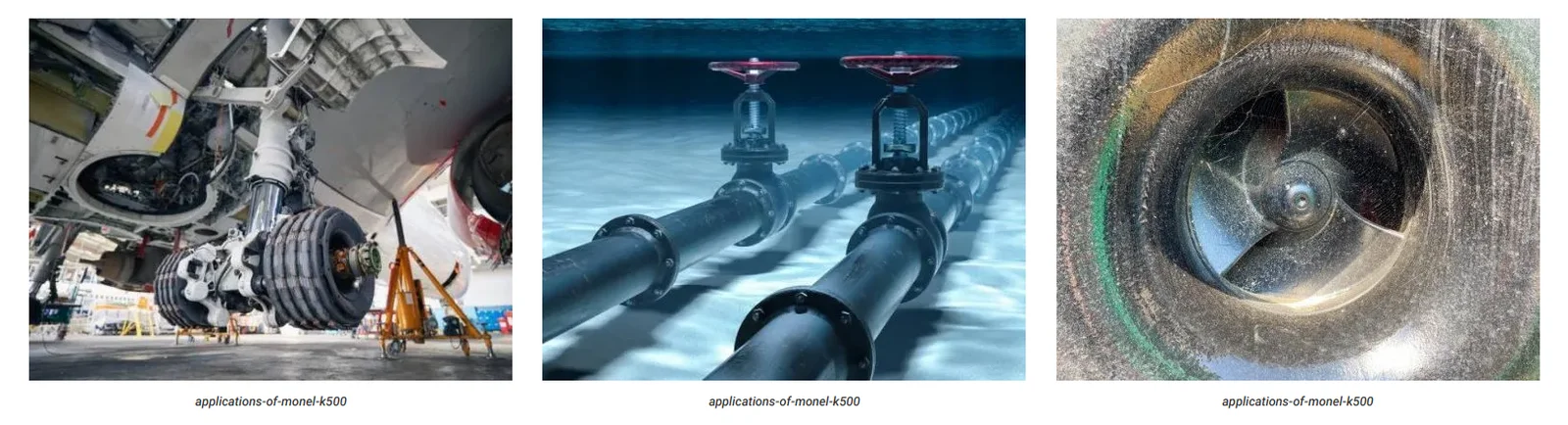
In addition to the traditional petrochemical and marine engineering fields, monel alloys are also widely used in electric power, pharmaceutical and food processing industries, due to their excellent performance and reliability.
In summary, Monel alloys offer unique advantages in terms of corrosion resistance mechanisms, welding properties, high temperature stability, biocompatibility and application versatility, making them an excellent engineering material.